Healthy Recipe

Frittata with zucchini and onion

ADVERTISEMENT
Share it:

Frittata with Zucchini and Onion: The Perfect Gluten-Free Breakfast for a Healthy Start

Frittata with Zucchini and Onion: The Perfect Gluten-Free Breakfast for a Healthy Start

Frittata with Zucchini and Onion: The Perfect Gluten-Free Breakfast for a Healthy Start – Healthy breakfast recipe

There is something comforting about beginning the day with a warm, homemade breakfast that fills your kitchen with delicious aromas. A Frittata with Zucchini and Onion is one of those recipes that feels both simple and special. Packed with protein, naturally gluten-free, and loaded with vegetables, this classic breakfast dish is ideal for busy mornings, weekend brunches, or meal prep for the week ahead.

Unlike many traditional breakfast options that rely on bread, pastries, or cereals, a frittata provides sustained energy through high-quality protein and nutrient-rich vegetables. The combination of tender zucchini, sweet caramelized onions, and fluffy eggs creates a satisfying meal that tastes indulgent while supporting a healthy lifestyle.

Whether you’re following a gluten-free diet due to celiac disease, gluten sensitivity, or simply personal preference, this recipe offers a delicious and nutritious way to start your day.

My Experience Making This Zucchini and Onion Frittata

There are recipes that require a long list of ingredients, complicated techniques, and plenty of time in the kitchen. And then there are recipes like this Frittata with Zucchini and Onion.

I originally started making this frittata when I wanted a breakfast that was simple, filling, and made with ingredients I could easily keep in the refrigerator. Zucchini and onion are inexpensive, versatile vegetables, and eggs are one of the easiest ways to turn them into a complete meal.

What I quickly discovered was that the recipe is simple, but a few small details make a big difference.

The most important one is not adding raw zucchini directly to the eggs. Zucchini contains a lot of water, and when I skipped the vegetable-cooking step, the frittata was noticeably softer and more watery. Cooking the zucchini first allows some of that moisture to evaporate and gives the vegetables a much deeper flavor.

I also prefer to cook the onion slowly rather than rushing it over high heat. When the onion becomes soft and lightly golden, it develops a natural sweetness that works beautifully with the mild flavor of zucchini and the richness of the eggs.

Another lesson I learned is to resist the temptation to overcook the eggs. A frittata should be set, but it should still have a soft and tender texture. Taking it out of the oven when the center is just set allows the residual heat to finish the cooking without turning the eggs dry or rubbery.

What I Pay Attention to Every Time

When I make this zucchini and onion frittata, these are the details I consider most important:

  • I cook the onion until it is soft and lightly golden rather than simply warming it.
  • I cook the zucchini before adding the eggs to reduce excess moisture.
  • I avoid overcrowding the skillet because too many vegetables can make the frittata difficult to set.
  • I whisk the eggs thoroughly but avoid overcomplicating the mixture.
  • I watch the frittata carefully during the final minutes in the oven.
  • I let it rest for a few minutes before slicing so the texture can stabilize.

These small steps are what make the difference between an ordinary egg dish and a fluffy, flavorful homemade frittata.

Why I Keep Coming Back to This Recipe

What I particularly like about this recipe is its flexibility.

I can serve a slice for breakfast with fresh fruit, prepare it ahead for busy mornings, or serve it with a salad for a light lunch. It also works well when I have vegetables that need to be used before they are forgotten in the refrigerator.

That practicality is one of the reasons this has become a recipe I return to regularly.

It is also naturally gluten-free, because the basic recipe uses eggs, zucchini, onion, olive oil and seasonings rather than a wheat-based crust. If you are preparing the recipe for someone with celiac disease or strict gluten avoidance, however, it is still important to check labels on packaged additions such as cheese, sausage, seasoning blends or other processed ingredients.

A Simple Breakfast That Doesn’t Need to Be Complicated

Healthy cooking does not have to mean making elaborate meals every morning.

This gluten-free zucchini frittata is a good example of how a few everyday ingredients can create something satisfying and flavorful. The eggs provide protein, while the zucchini and onion add vegetables, texture and flavor.

For me, the best part is that the recipe feels homemade without requiring hours in the kitchen.

That is exactly the type of breakfast I want to keep in my regular rotation: simple, practical, nutritious and genuinely enjoyable to eat.

Recipe Testing Notes

I have prepared this frittata using both cast-iron and nonstick oven-safe skillets. The most important variable is not the type of pan but controlling the moisture from the zucchini and avoiding excessive cooking time.

For the best texture, the vegetables should be tender before the eggs are added, while the center of the frittata should still have a slight softness when it comes out of the oven.

Cooking times can vary depending on the size of the skillet, the thickness of the vegetables and individual ovens, so I recommend using the visual cues in the recipe rather than relying only on the clock.

The finished frittata should be lightly golden on top, set around the edges and tender in the center.

This recipe is intended as a general food and recipe guide, not as individualized medical or nutritional advice. Nutritional values are approximate and can change depending on the ingredients and serving size used.

Why This Zucchini and Onion Frittata Became a Weekly Breakfast Favorite

Some of the best recipes are born from the simplest ingredients. This zucchini and onion frittata started as a way to use vegetables that were sitting in the refrigerator at the end of the week. What began as a practical solution quickly became one of the most requested breakfasts in our kitchen.

The first time I made it, I was looking for a gluten-free breakfast that felt satisfying without relying on processed ingredients. I wanted something rich in protein, packed with vegetables, and easy enough to prepare on busy mornings. After experimenting with different cooking methods, vegetable ratios, and baking times, this version consistently delivered the best results: tender zucchini, sweet caramelized onions, and a perfectly fluffy texture every time.

Over the years, I’ve learned that the secret to a great frittata isn’t complicated. It’s all about properly cooking the vegetables before adding the eggs. Zucchini naturally contains a lot of water, and skipping this step can leave the finished dish soggy. By gently sautéing the zucchini and onions first, their flavors concentrate and the texture becomes far more enjoyable.

As someone who regularly prepares gluten-free breakfasts, I appreciate recipes that balance nutrition, convenience, and flavor. Eggs provide high-quality protein and essential nutrients such as choline, vitamin B12, and vitamin D, while zucchini contributes fiber, antioxidants, and important vitamins. Together, they create a meal that keeps you feeling satisfied and energized throughout the morning.

This recipe has been tested multiple times in both cast-iron and nonstick skillets, with slight adjustments made to ensure consistent results for home cooks of all skill levels. Whether you’re following a gluten-free lifestyle because of celiac disease, gluten sensitivity, or personal wellness goals, you can feel confident serving this frittata as part of a balanced breakfast.

Today, it remains one of those dependable recipes that proves healthy eating doesn’t require complicated techniques or expensive ingredients. Sometimes, a handful of fresh vegetables, quality eggs, and a little time are all it takes to create a breakfast worth sharing.

Why You’ll Love This Gluten-Free Frittata

This zucchini and onion frittata has become a favorite in many households for several reasons:

  • Naturally gluten-free
  • Rich in protein
  • Easy to prepare
  • Budget-friendly ingredients
  • Perfect for meal prep
  • Great for breakfast, brunch, lunch, or dinner
  • Customizable with additional vegetables and herbs
  • Low in carbohydrates
  • High in vitamins and minerals

The beauty of a frittata lies in its versatility. Once you master the basic technique, you can adapt it to whatever ingredients you have available.


What Is a Frittata?

A frittata is an Italian egg-based dish similar to an omelet or crustless quiche. Unlike an omelet, where fillings are folded inside cooked eggs, a frittata incorporates all ingredients directly into the egg mixture.

The dish is usually started on the stovetop and finished in the oven, resulting in a thick, fluffy texture that can be sliced into wedges and served warm or cold.

Because it contains no crust, a traditional frittata is naturally gluten-free, making it an excellent choice for those avoiding wheat and gluten-containing grains.


The Story Behind This Breakfast Favorite

Growing up, weekend breakfasts often meant gathering around the table while something delicious baked in the oven. The smell of onions slowly softening in olive oil and vegetables cooking gently always signaled that a comforting meal was on its way.

Years later, after discovering the benefits of gluten-free eating, recipes like this frittata became a staple. It delivers everything you want in a breakfast: flavor, nutrition, convenience, and satisfaction.

Zucchini and onion are humble ingredients, yet together they create remarkable flavor. The onions develop natural sweetness as they cook, while the zucchini becomes tender and juicy. Combined with fluffy eggs, they transform into a breakfast that feels wholesome and nourishing.


Health Benefits of Zucchini

Zucchini is one of the most versatile vegetables available and offers numerous health benefits.

Rich in Nutrients

Zucchini contains:

  • Vitamin C
  • Vitamin A
  • Potassium
  • Folate
  • Magnesium

Supports Digestion

Its fiber content promotes healthy digestion and helps maintain regularity.

Low in Calories

One cup of zucchini contains relatively few calories, making it a fantastic ingredient for those seeking nutrient-dense foods.

Hydrating

Zucchini has a high water content, which helps support hydration throughout the day.

Frittata with Zucchini and Onion: The Perfect Gluten-Free Breakfast for a Healthy Start


Health Benefits of Onions

Onions add depth of flavor and important nutrients.

Antioxidant Power

Onions contain compounds that help protect cells from oxidative stress.

Supports Heart Health

Research suggests onions may contribute to healthy cholesterol levels and cardiovascular wellness.

Natural Sweetness

When cooked slowly, onions release natural sugars that enhance flavor without added sweeteners.


Benefits of Eggs for Breakfast

Eggs are often considered one of nature’s most complete foods.

Excellent Protein Source

Protein helps maintain muscle mass and keeps you feeling satisfied longer.

Rich in Vitamins

Eggs provide:

  • Vitamin B12
  • Vitamin D
  • Choline
  • Selenium
  • Riboflavin

Supports Brain Health

Choline plays an essential role in brain function and cognitive health.

Keeps Hunger Away

A protein-rich breakfast may help reduce cravings later in the day.


Ingredients

Serves 4-6

Main Ingredients

  • 8 large eggs
  • 2 medium zucchini
  • 1 large onion
  • 2 tablespoons olive oil
  • ¼ cup milk (optional)
  • ½ teaspoon sea salt
  • ¼ teaspoon black pepper

Optional Additions

  • Fresh parsley
  • Chives
  • Basil
  • Spinach
  • Cherry tomatoes
  • Feta cheese
  • Goat cheese

Kitchen Equipment Needed

  • Oven-safe skillet (10-inch recommended)
  • Mixing bowl
  • Sharp knife
  • Cutting board
  • Whisk
  • Measuring spoons

Step 1: Prepare the Vegetables

Wash the zucchini thoroughly under cold water.

Trim both ends and slice into thin half-moons.

Peel the onion and cut it into thin slices.

Keeping the slices relatively uniform ensures even cooking.

Pro Tip

Thin slices cook faster and blend better into the final texture of the frittata.


Step 2: Preheat the Oven

Preheat your oven to:

375°F (190°C)

Proper preheating ensures even cooking and helps the eggs puff beautifully.


Step 3: Whisk the Eggs

Crack the eggs into a large bowl.

Add:

  • Salt
  • Pepper
  • Milk (if using)

Whisk until completely combined and slightly frothy.

The added air helps create a lighter texture.

Pro Tip

Whisk for at least one minute to create a fluffier frittata.


Step 4: Cook the Onions

Heat olive oil in an oven-safe skillet over medium heat.

Add sliced onions.

Cook for 8-10 minutes.

Stir occasionally until they become:

  • Soft
  • Fragrant
  • Lightly golden

This slow cooking process develops sweetness and enhances overall flavor.


Step 5: Add the Zucchini

Add the sliced zucchini to the skillet.

Cook for another 5-7 minutes.

The zucchini should soften slightly while retaining some structure.

Avoid overcooking since it will continue cooking in the oven.

Why This Step Matters

Cooking vegetables beforehand removes excess moisture and prevents a watery frittata.


Step 6: Season the Vegetables

Sprinkle a small pinch of salt and pepper over the vegetables.

Stir gently to distribute seasoning evenly.

Taste a piece of zucchini if desired and adjust seasoning.


Step 7: Pour in the Egg Mixture

Reduce heat to low.

Pour the whisked eggs evenly over the vegetables.

Use a spatula to gently distribute ingredients throughout the pan.

Allow the eggs to cook undisturbed for about 2 minutes.

You should notice the edges beginning to set.


Step 8: Transfer to the Oven

Carefully move the skillet to the preheated oven.

Bake for 12-15 minutes.

The center should appear set but still slightly soft.

Avoid Overbaking

Overcooked eggs become rubbery and dry.

The residual heat will continue cooking the frittata after removal from the oven.


Step 9: Check for Doneness

Insert a knife into the center.

If it comes out mostly clean, the frittata is ready.

The top should appear lightly golden and puffed.


Step 10: Cool Slightly Before Serving

Allow the frittata to rest for 5 minutes.

This helps it firm up and makes slicing easier.

Cut into wedges and serve immediately.


Serving Suggestions

This gluten-free frittata pairs wonderfully with:

Fresh Fruit

  • Strawberries
  • Blueberries
  • Melon
  • Grapefruit

Gluten-Free Sides

  • Roasted potatoes
  • Sweet potato hash
  • Gluten-free toast

Light Salads

A simple arugula salad with lemon dressing complements the richness of the eggs.


Make-Ahead and Meal Prep Tips

One of the best features of this recipe is how well it stores.

Refrigerator Storage

Store leftovers in an airtight container for up to 4 days.

Freezer Storage

Wrap individual slices tightly and freeze for up to 2 months.

Reheating

Microwave for 30-60 seconds or warm in a low-temperature oven.


Delicious Variations

Mediterranean Frittata

Add:

  • Feta cheese
  • Tomatoes
  • Spinach
  • Oregano

Garden Vegetable Frittata

Include:

  • Bell peppers
  • Mushrooms
  • Broccoli

Herb Lover’s Version

Add generous amounts of:

  • Parsley
  • Basil
  • Chives
  • Dill

Protein-Packed Version

Include:

  • Turkey sausage
  • Smoked salmon
  • Grilled chicken

Ensure all additions are certified gluten-free.


Common Mistakes to Avoid

Overcrowding the Pan

Too many vegetables can prevent proper setting.

Using High Heat

High heat may burn the bottom while leaving the center uncooked.

Skipping Vegetable Cooking

Raw vegetables release moisture during baking and can create a watery texture.

Overbaking

Monitor closely during the final minutes.


Frequently Asked Questions

Is a Frittata Gluten-Free?

Yes. Traditional frittatas contain eggs, vegetables, herbs, and seasonings without gluten ingredients.

Always verify packaged ingredients if adding cheese, meats, or seasonings.

Can I Make It Dairy-Free?

Absolutely.

Simply omit the milk or use:

  • Almond milk
  • Oat milk (certified gluten-free)
  • Coconut milk

Can I Use Yellow Squash Instead of Zucchini?

Yes.

Yellow squash works beautifully and offers a similar texture.

Can I Eat It Cold?

Definitely.

Many people enjoy cold frittata as a quick breakfast or lunch.

How Long Does It Last?

Stored properly, it remains fresh for about four days in the refrigerator.


Nutritional Overview

Approximate values per serving:

  • Calories: 180-220
  • Protein: 12-15g
  • Carbohydrates: 5-7g
  • Fat: 12-15g
  • Fiber: 1-2g

Values vary depending on ingredient choices and serving size.


Why This Recipe Belongs in Your Breakfast Rotation

A healthy breakfast should be nutritious, satisfying, and practical. This Frittata with Zucchini and Onion checks every box.

It provides high-quality protein, valuable vitamins, and delicious flavor while remaining naturally gluten-free. The recipe is simple enough for busy weekdays yet elegant enough for weekend brunch gatherings.

Most importantly, it proves that gluten-free breakfasts don’t need complicated ingredients or elaborate preparation. Sometimes the best meals come from simple, wholesome foods prepared with care.

Whether you’re feeding your family, preparing meals for the week, or searching for a reliable gluten-free breakfast recipe, this zucchini and onion frittata deserves a permanent place in your kitchen. Every slice delivers comfort, nourishment, and the kind of homemade goodness that makes mornings something to look forward to.

Frittata with zucchini and onion

Frittata with Zucchini and Onion at a Glance

Prep time: 10 minutes
Cook time: 25 minutes
Total time: 35 minutes
Servings: 4–6
Difficulty: Easy
Cuisine: Italian-inspired
Diet: Gluten-free
Best for: Breakfast, brunch, meal prep or a light lunch

Why Make This Recipe?

This zucchini and onion frittata is an easy gluten-free breakfast made with simple everyday ingredients. It combines fluffy eggs with tender zucchini and sweet, lightly caramelized onion for a filling meal that can be enjoyed warm or cold.

The key to getting the best texture: cook the vegetables before adding the eggs. This helps remove excess moisture from the zucchini and prevents a watery frittata.

Frittata vs. Omelet vs. Quiche: What’s the Difference?

Although these dishes all use eggs, they are prepared differently.

Dish Main characteristic
Frittata Eggs are mixed with the fillings and usually finished in the oven
Omelet Eggs are cooked more quickly and fillings are folded inside
Quiche Usually has a pastry crust and a richer custard-style filling

A frittata is naturally crustless, which is one reason it can be an excellent gluten-free breakfast option.

This zucchini and onion version is particularly simple because the vegetables are cooked first and then combined with the eggs before the frittata is finished in the oven.

How to Choose the Best Zucchini for Frittata

For the best zucchini and onion frittata, choose zucchini that feels firm and heavy for its size, with smooth, unblemished skin.

Smaller or medium zucchini are often preferable because they tend to have a firmer texture and fewer large seeds.

My tips:

  • Choose firm zucchini without soft spots.
  • Look for smooth, glossy skin.
  • Avoid zucchini that feels unusually light or spongy.
  • Medium-sized zucchini are ideal for this recipe.
  • Wash them thoroughly before slicing.
  • Keep the slices relatively uniform so they cook evenly.

If your zucchini is particularly large or watery, you may need to cook it slightly longer before adding the eggs.

How to Store Zucchini Frittata

This zucchini frittata is excellent for meal prep because it can be prepared ahead and enjoyed warm or cold.

In the refrigerator

Allow the frittata to cool before transferring it to an airtight container. Refrigerate promptly and use within 3–4 days.

For meal prep, individual portions can be stored separately so they are ready for quick breakfasts.

Can you freeze frittata?

Yes. Cut the cooled frittata into individual portions and wrap them well before placing them in a freezer-safe container or bag.

For the best texture, use frozen portions within approximately 2 months.

How to reheat frittata

For a quick breakfast, reheat an individual slice in the microwave until warmed through.

For better texture, reheat it gently in a low oven rather than using very high heat.

Avoid overheating because eggs can become dry and rubbery.

Can you eat frittata cold?

Absolutely. This recipe can be served cold or at room temperature, making it particularly convenient for packed breakfasts, lunches and meal prep.

Is This Frittata Safe for a Gluten-Free Diet?

The basic zucchini and onion frittata is naturally gluten-free because its main ingredients—eggs, zucchini, onion, olive oil, salt and pepper—do not naturally contain gluten.

However, ingredients added to the recipe can change that.

If you are cooking for someone with celiac disease or strict gluten avoidance, check the labels of:

  • Cheese
  • Sausages or processed meats
  • Seasoning blends
  • Broths or stock
  • Packaged sauces
  • Plant-based milks
  • Any other processed ingredient

For strict gluten-free preparation, also consider cross-contact. Use clean utensils, pans and preparation surfaces that have not been contaminated with gluten-containing foods.

The safest approach is to choose products specifically labeled gluten-free when there is any uncertainty.

Important: This recipe information is not medical advice. People with celiac disease or medically required gluten avoidance should follow the guidance of their healthcare professional.

My Best Tips for the Best Zucchini and Onion Frittata

After making this recipe several times, these are the details I would pay the most attention to:

Don’t rush the onions.
Giving them enough time to soften and develop a light golden color adds considerably more flavor.

Cook the zucchini properly.
This is probably the most important step. If the zucchini releases too much water into the egg mixture, the final frittata can become soft and watery.

Use an oven-safe skillet.
Being able to move the same pan from the stovetop directly into the oven makes the recipe easier and avoids transferring the mixture between pans.

Don’t judge doneness only by the clock.
Ovens and skillets vary. Look for a lightly golden surface and edges that are set while the center remains slightly tender.

Let it rest before cutting.
Those five minutes make a real difference. The frittata becomes easier to slice while retaining a soft texture.

Don’t overload it with vegetables.
Adding too many vegetables may sound like a healthier option, but excess moisture can affect the texture. If you add extra vegetables, cook them first and remove excess moisture.
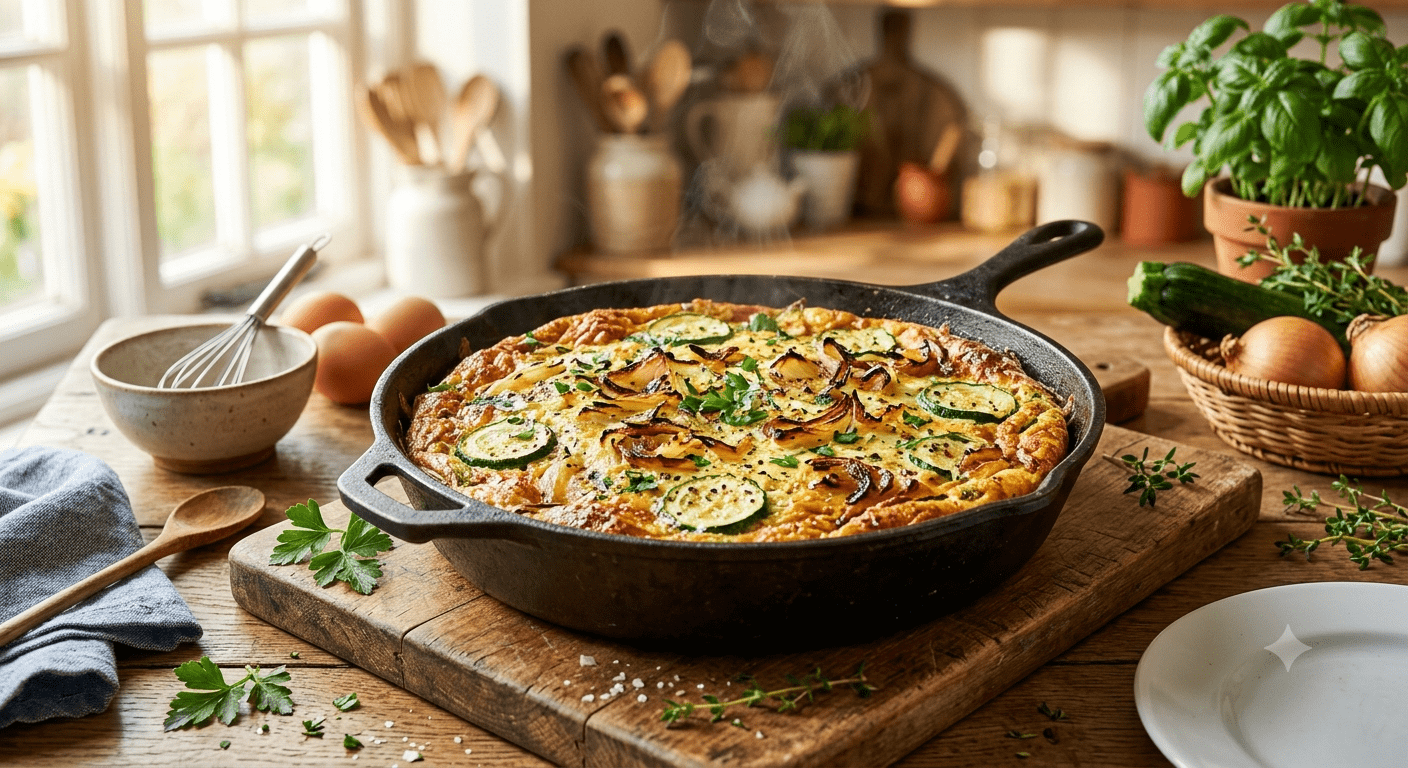
Frittata with Zucchini and Onion: The Perfect Gluten-Free Breakfast for a Healthy Start

Share it:
ADVERTISEMENT

Recipe Tips & Helpful Notes

Use this section for practical tips, substitutions, serving ideas, meal-prep advice and the details that make this recipe easier to reproduce successfully.

Storage & Meal Prep

Add clear storage, refrigeration and freezing guidance where appropriate. Keep food-safety instructions specific to the recipe.

ADVERTISEMENT

Frequently Asked Questions

Can I make this recipe ahead?

Yes. Explain the best make-ahead method for this particular recipe.

How should I store leftovers?

Give recipe-specific storage guidance here.

ADVERTISEMENT

More Healthy Recipes