Spanish Tortilla Made with Potatoes: The Ultimate Gluten-Free Breakfast Recipe. «Tortilla de patatas».
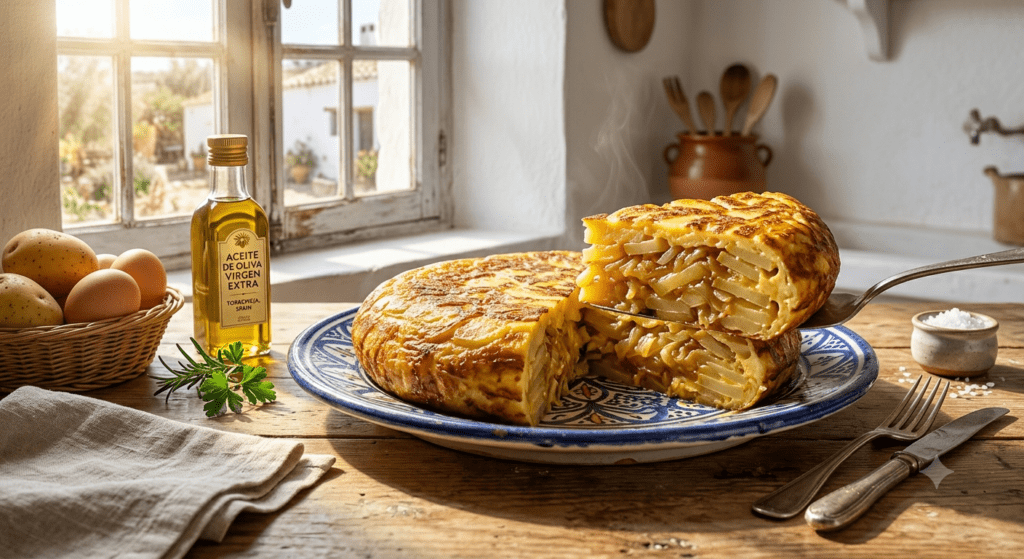
A Classic Spanish Breakfast That Never Goes Out of Style
Spanish Tortilla Made with Potatoes: The Ultimate Gluten-Free Breakfast Recipe
There’s a moment in almost every Spanish home when the aroma of slowly cooked potatoes and olive oil fills the kitchen, drawing everyone toward the table before a single word is spoken. For me, that moment has always meant one thing: Spanish tortilla. I still remember watching potatoes gently soften in a pan while eggs waited nearby, ready to transform simple ingredients into something unforgettable. What fascinated me most was how a recipe with only a handful of ingredients could create such comfort, satisfaction, and tradition in every bite.
Over the years, I’ve prepared countless gluten-free breakfasts, tested different techniques, and explored recipes from various cultures. Yet Spanish tortilla remains one of the most reliable and rewarding dishes I return to again and again. Its naturally gluten-free ingredients, balanced nutrition, and incredible versatility make it a favorite for busy mornings, leisurely weekend brunches, and meal prep alike. Through repeated testing and hands-on experience, I’ve learned that the secret lies not in complexity but in patience—allowing the potatoes to cook slowly, choosing quality eggs, and giving the tortilla time to rest before serving.
From a nutritional standpoint, Spanish tortilla offers an excellent combination of protein from eggs, complex carbohydrates from potatoes, and heart-healthy fats from extra virgin olive oil. These ingredients have been staples of the Mediterranean diet for generations and are supported by extensive nutritional research for their role in creating satisfying, balanced meals. Because the recipe contains no flour or wheat-based ingredients, it naturally fits a gluten-free lifestyle without requiring substitutions or specialty products.
This recipe follows traditional preparation methods while incorporating practical tips gathered through real kitchen experience. Every step has been carefully explained to help you achieve the ideal texture: a golden exterior, tender potatoes, and a rich, flavorful center. Whether you’re making your first tortilla de patatas or refining a technique you’ve used for years, this guide is designed to provide trustworthy, experience-based instruction you can confidently rely on.
A great Spanish tortilla is more than a recipe—it is a celebration of simple ingredients, timeless tradition, and the joy of sharing good food. Once you master this classic gluten-free breakfast, you’ll understand why it has remained one of Spain’s most beloved dishes for generations.
There are few dishes as beloved and recognizable as the Spanish tortilla. Known in Spain as Tortilla de Patatas, this simple yet incredibly satisfying recipe transforms humble ingredients into a hearty meal that can be enjoyed for breakfast, brunch, lunch, or dinner.
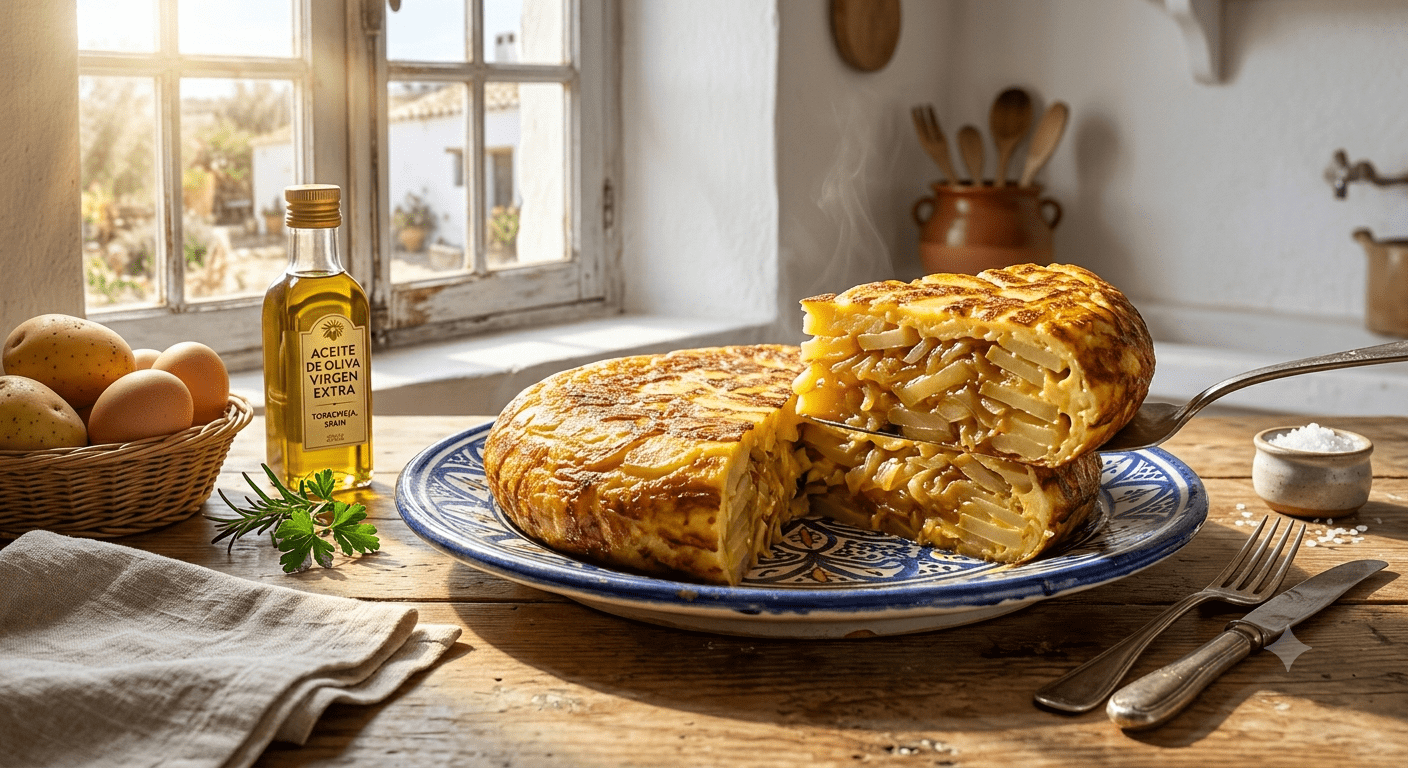
Made primarily with potatoes, eggs, olive oil, and salt, Spanish tortilla is naturally gluten-free, making it an excellent choice for anyone following a gluten-free lifestyle. Its golden exterior, tender potato filling, and rich flavor have made it a staple in Spanish homes for generations.
Whether you’re looking for a nutritious gluten-free breakfast, a protein-packed brunch option, or a traditional recipe to add to your collection, this potato tortilla is a dish worth mastering.
In this guide, you’ll learn everything you need to know about making an authentic Spanish tortilla, including ingredient selection, preparation tips, step-by-step instructions, serving suggestions, storage advice, and common mistakes to avoid.
Why You’ll Love This Spanish Tortilla Recipe
There are countless reasons why this traditional recipe remains one of the most popular dishes in Spain.
Naturally Gluten-Free
Unlike many breakfast recipes that rely on bread, flour, or processed ingredients, Spanish tortilla contains only naturally gluten-free ingredients.
High in Protein
Eggs provide high-quality protein that helps keep you full and energized throughout the morning.
Budget-Friendly
Potatoes and eggs are affordable staples found in nearly every kitchen.
Perfect for Meal Prep
Spanish tortilla tastes delicious warm, at room temperature, or even cold, making it ideal for preparing ahead of time.
Versatile
Enjoy it for breakfast, brunch, lunch, dinner, picnics, or packed lunches.
The History of Spanish Tortilla
Spanish tortilla has deep roots in Spanish culinary tradition. Historians generally trace its origins back to the 18th century, when potatoes became widely cultivated throughout Spain.
The dish gained popularity because it was inexpensive, filling, and easy to prepare. Farmers and laborers appreciated its portability and nutritional value.
Today, tortilla de patatas is one of Spain’s most iconic foods. You’ll find it served in homes, cafés, restaurants, and tapas bars throughout the country.
Although regional variations exist, the classic combination of potatoes and eggs remains the heart of this timeless recipe.
Ingredients
For the Tortilla
- 6 large eggs
- 4 medium potatoes (about 700 grams)
- 1 medium onion, thinly sliced (optional but traditional in many regions)
- 1 cup extra virgin olive oil
- 1 teaspoon salt
- Freshly ground black pepper (optional)
Optional Garnishes
- Fresh parsley
- Chopped chives
- Sliced tomatoes
- Avocado slices
Equipment Needed
- Large nonstick skillet
- Sharp knife
- Cutting board
- Large mixing bowl
- Slotted spoon
- Plate larger than the skillet
- Spatula
Choosing the Best Potatoes
The type of potato you choose can greatly influence the texture of your tortilla.
Best Choices
- Yukon Gold potatoes
- Yellow potatoes
- Waxy potatoes
These varieties become tender without falling apart completely.
Avoid
Very starchy potatoes can break down excessively and create a mushy texture.
Step 1: Prepare the Potatoes
Wash and peel the potatoes thoroughly.
Slice them into thin rounds approximately ⅛ inch thick.
Uniform slices help ensure even cooking.
If the slices are too thick, they may remain firm in the finished tortilla.
If they’re too thin, they may fall apart completely.
Place the sliced potatoes into a bowl while you prepare the onions.
Step 2: Slice the Onion
Peel the onion and cut it into thin slices.
The onion adds sweetness and depth of flavor as it cooks slowly in olive oil.
Many Spanish families have strong opinions about whether onions belong in tortilla.
Some insist that authentic tortilla includes onion.
Others strongly disagree.
Use whichever version you prefer.
Step 3: Heat the Olive Oil
Pour the olive oil into a large skillet.
Heat over medium-low heat.
The oil should be warm enough to cook the potatoes gently without browning them too quickly.
Traditional Spanish tortilla relies on slowly poached potatoes rather than crispy fried potatoes.
Step 4: Cook the Potatoes and Onion
Add the potatoes and onion to the skillet.
Stir gently to coat everything with oil.
Cook over medium-low heat for approximately 20 to 25 minutes.
Stir occasionally.
The potatoes should become soft and tender without turning crispy.
This slow cooking process is one of the secrets to a truly authentic tortilla.
When the potatoes can easily be pierced with a fork, they are ready.
Step 5: Drain the Potatoes
Using a slotted spoon, transfer the cooked potatoes and onions to a large bowl.
Allow excess oil to drain away.
Reserve the remaining olive oil for future cooking if desired.
The oil becomes infused with potato and onion flavor.
Season the potatoes lightly with salt.
Allow them to cool slightly before adding the eggs.
“The potatoes are traditionally cooked in olive oil, but most of the oil is drained before the potatoes are combined with the eggs.”
Step 6: Beat the Eggs
Crack the eggs into a large bowl.
Add salt.
Beat until fully combined.
The eggs should appear smooth and slightly frothy.
Avoid overbeating.
You want a rich, creamy texture rather than excessive air.
Step 7: Combine the Ingredients
Add the warm potatoes and onions to the beaten eggs.
Gently mix everything together.
Allow the mixture to rest for about 10 minutes.
This resting period helps the potatoes absorb some of the egg mixture, creating a more cohesive tortilla.
Step 8: Prepare the Pan
Add a small amount of olive oil to the skillet.
Heat over medium heat.
Ensure the bottom and sides are lightly coated.
This helps prevent sticking and creates a beautiful golden crust.
Step 9: Cook the First Side
Pour the potato and egg mixture into the skillet.
Spread evenly.
Cook over medium-low heat for approximately 6 to 8 minutes.
As the eggs begin to set, gently run a spatula around the edges.
The bottom should develop a light golden color while the center remains slightly soft.
Step 10: Flip the Tortilla
This step often intimidates beginners, but it’s easier than it looks.
Place a large plate over the skillet.
Carefully invert the pan so the tortilla transfers onto the plate.
Slide the tortilla back into the skillet uncooked side down.
Take your time and work carefully.
After one successful flip, you’ll gain confidence for future tortillas.
Step 11: Cook the Second Side
Cook for another 4 to 6 minutes.
The exact timing depends on how firm or creamy you prefer the center.
Traditional Spanish tortillas often have a slightly soft interior.
For a fully set center, cook a bit longer.
Step 12: Rest Before Serving
Transfer the finished tortilla to a serving plate.
Allow it to rest for 10 minutes.
Resting improves texture and makes slicing easier.
The flavors also continue developing during this time.
How to Serve Spanish Tortilla
One of the greatest strengths of Spanish tortilla is its versatility.
Breakfast
Serve with:
- Fresh fruit
- Greek yogurt
- Avocado
- Coffee or tea
Brunch
Pair with:
- Mixed greens
- Roasted vegetables
- Fresh tomatoes
Lunch
Serve alongside:
- Salad
- Vegetable soup
- Gazpacho
Tapas Style
Cut into small squares and serve with toothpicks.
Nutritional Benefits
Eggs
Eggs provide:
- Complete protein
- Vitamin B12
- Vitamin D
- Choline
- Selenium
Potatoes
Potatoes offer:
- Potassium
- Vitamin C
- Fiber
- Complex carbohydrates
Olive Oil
Extra virgin olive oil contains:
- Heart-healthy monounsaturated fats
- Antioxidants
- Anti-inflammatory compounds
Together, these ingredients create a balanced and satisfying breakfast.
Common Mistakes to Avoid
Cooking the Potatoes Too Fast
High heat can brown the potatoes before they become tender.
Always cook them gently.
Using Too Little Oil
Traditional tortilla requires enough oil to cook the potatoes properly.
Skipping the Resting Period
Allowing the potato mixture to rest improves texture.
Overcooking the Eggs
Dry eggs can make the tortilla tough.
Cook gently for the best results.
Flipping Too Early
Ensure the bottom has set before attempting to flip.
Delicious Variations
Spinach Tortilla
Add sautéed spinach.
Zucchini Tortilla
Replace part of the potatoes with zucchini.
Bell Pepper Tortilla
Add diced red peppers.
Cheese Tortilla
Mix in shredded Manchego cheese.
Mushroom Tortilla
Include sautéed mushrooms for extra flavor.
Storage Instructions
Allow the tortilla to cool completely.
Store in an airtight container.
Refrigerator
Keeps fresh for up to 4 days.
Freezer
Freeze slices individually for up to 2 months.
Reheating Tips
Microwave
Heat for 30 to 60 seconds.
Oven
Warm at 325°F (165°C) for 10 minutes.
Skillet
Reheat gently over low heat.
Frequently Asked Questions
Is Spanish Tortilla Gluten-Free?
Yes. Traditional Spanish tortilla contains no flour or gluten-containing ingredients.
Always verify that any additional ingredients are gluten-free.
Can I Make It Ahead?
Absolutely.
Many people believe tortilla tastes even better the next day.
Do I Need Onion?
No.
The onion debate is famous throughout Spain.
Both versions are widely accepted.
Can I Serve It Cold?
Yes.
Spanish tortilla is delicious warm, room temperature, or cold.
What Is the Best Pan Size?
An 8- to 10-inch skillet works best for a thick tortilla.
Final Thoughts
Spanish tortilla made with potatoes is proof that extraordinary dishes don’t require complicated ingredients. With just eggs, potatoes, olive oil, and a little patience, you can create a satisfying gluten-free breakfast that has stood the test of time.
Its rich flavor, tender texture, and incredible versatility make it a recipe you’ll return to again and again. Whether you’re preparing breakfast for your family, planning brunch with friends, or simply looking for a nutritious gluten-free meal, this classic Spanish tortilla delivers comfort, tradition, and nourishment in every bite.
Once you’ve mastered this authentic recipe, you’ll understand why generations of Spanish cooks continue to treasure this simple yet remarkable dish.
Authentic Spanish Tortilla Recipe: Spanish Omelet with Crispy Potatoes and Creamy Eggs
If you’re looking for an authentic Spanish tortilla recipe, this traditional Spanish potato tortilla is a simple and delicious way to bring a taste of Spain to your kitchen. Also known as tortilla de patatas, Spanish omelet, or Spanish omelette, this classic Spanish recipe combines tender potatoes, eggs, extra virgin olive oil, and optional onion to create a satisfying meal.
This easy Spanish tortilla recipe is perfect for breakfast, brunch, lunch, dinner, tapas, or meal prep. The secret to a traditional tortilla de patatas is cooking the potatoes slowly until they are tender, allowing them to absorb the flavor of the olive oil before combining them with beaten eggs.
For the best results, use good-quality potatoes and eggs and cook the potatoes gently rather than frying them until crisp. This creates the characteristic tender potato texture of an authentic Spanish tortilla. Once cooked, the tortilla develops a beautifully golden exterior while the center can remain soft, creamy, and full of flavor.
Spanish Potato Tortilla vs. Spanish Omelet
You may see this dish called Spanish tortilla, Spanish potato tortilla, Spanish omelet, or Spanish omelette. These names generally refer to the same traditional Spanish dish: tortilla de patatas.
Unlike a French omelet, a Spanish tortilla is thick and contains potatoes as one of its main ingredients. Onion is optional and remains one of the most famous food debates in Spain. Some people prefer their tortilla with onion, while others believe an authentic tortilla should contain only potatoes and eggs.
Whether you call it a Spanish tortilla recipe, Spanish omelet recipe, or tortilla de patatas recipe, the basic technique remains the same: gently cook the potatoes, combine them with beaten eggs, cook the mixture in a skillet, and carefully flip the tortilla.
How to Make an Authentic Spanish Tortilla
Making an authentic Spanish tortilla at home is easier than it may seem. The most important part is patience. Cooking the potatoes over medium-low heat helps them become tender without browning too quickly.
After cooking, drain most of the excess olive oil before combining the potatoes with the eggs. Allowing the potato and egg mixture to rest for a few minutes helps create a cohesive texture.
When cooking the tortilla, keep the heat moderate and avoid rushing the process. A good Spanish potato omelet should have a golden outside, tender potatoes, and a moist, creamy center.
If you prefer a firmer tortilla, simply cook it slightly longer. For a more traditional Spanish-style result, keep the center slightly soft while making sure the eggs are properly cooked.
Easy Spanish Tortilla for Breakfast or Brunch
This easy Spanish tortilla recipe is particularly useful for breakfast and brunch because it can be prepared ahead of time and served warm, at room temperature, or cold. It also works beautifully as part of a Spanish-inspired brunch with fresh tomatoes, avocado, salad, fruit, or other simple sides.
Because the traditional ingredients are naturally gluten-free, this gluten-free Spanish tortilla can be a convenient option for people avoiding wheat and gluten-containing ingredients. Always check additional ingredients and accompanying foods if strict gluten-free preparation is required.
Tips for the Best Spanish Tortilla
For the best Spanish tortilla recipe, choose potatoes that become tender without completely falling apart. Yukon Gold, yellow, or waxy potatoes are good choices.
Avoid cooking the potatoes over high heat. Traditional tortilla de patatas relies on gently cooked potatoes rather than heavily browned or crispy potatoes.
Use enough olive oil to cook the potatoes properly, then drain the excess before adding the eggs. This preserves the traditional technique while preventing the finished tortilla from becoming excessively oily.
Finally, take your time when flipping the tortilla. Using a plate that is slightly larger than the skillet makes this step much easier and helps prevent the tortilla from breaking.
Whether you are searching for how to make Spanish tortilla, an authentic Spanish tortilla recipe, an easy Spanish omelet recipe, or a traditional tortilla de patatas recipe, these techniques will help you create a classic Spanish dish with tender potatoes, flavorful eggs, and a beautifully golden finish.
Recipe Tips & Helpful Notes
Use this section for practical tips, substitutions, serving ideas, meal-prep advice and the details that make this recipe easier to reproduce successfully.
Storage & Meal Prep
Add clear storage, refrigeration and freezing guidance where appropriate. Keep food-safety instructions specific to the recipe.
Frequently Asked Questions
Can I make this recipe ahead?
Yes. Explain the best make-ahead method for this particular recipe.
How should I store leftovers?
Give recipe-specific storage guidance here.